


ORGANIC
GLUTEN FREE
Amaranth
flour
| Food Nutrient Content per 100g | |
|---|---|
| Proteins | 15,8 g |
| Fats | 7,7 g |
| Carbohydrates | 58,2 g |
| Dietary Fiber | 5,4 % |
| Energy Value | 376 kcal |
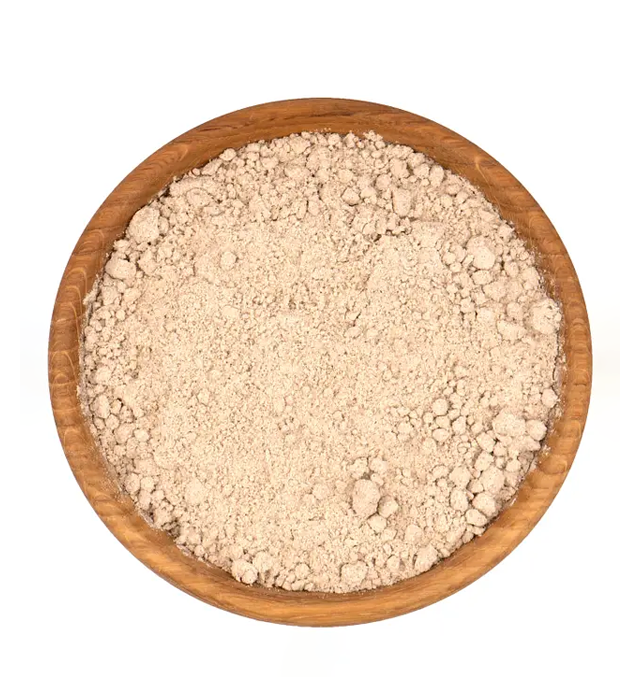
Amaranth flour is an inexhaustible source of nutrients that enrich the body and add value to your diet. The high content of complete protein with all important amino acids helps build muscle tissue, while B vitamins, iron and calcium support the normal functioning of the body.
Dietary fiber helps to normalize digestion, and the gluten-free nature of amaranth flour makes it ideal for those on a gluten-free diet. Its use in cooking opens up new possibilities for creating tasty and healthy dishes, making it an integral part of the diet for those who appreciate quality and benefits for the body.
Nutritional value
of amaranth flour
Protein and amino acids
Amaranth flour is an excellent source of complete protein that contains all the essential amino acids, promoting muscle building and overall health
Vitamins and minerals
The balanced content of vitamins (especially B vitamins) and minerals such as iron, calcium and magnesium make amaranth flour essential for the proper functioning of the body
Dietary fibers
The high content of dietary fibers contributes to the normalization of digestion, helping to maintain the health of the gastrointestinal tract
Gluten-free option
Amaranth flour is an ideal choice for those on a gluten-free diet as it does not contain gluten, making it safe for consumption by those with celiac disease or gluten intolerance.
How to use
amaranth flour?
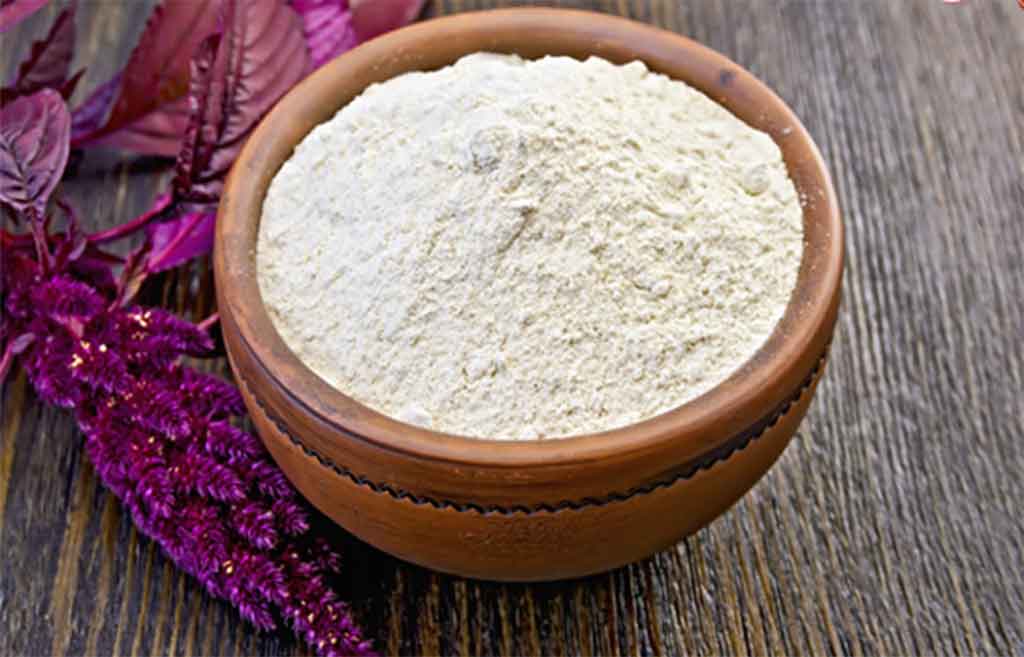
Amaranth flour can be added to wheat or used alone to prepare various dishes: sauces, sweet and savory pastries, bread, and even sweets. Baking from amaranth flour turns out lush, tender, airy.
*For medical use, we recommend consulting a doctor!
Do you want to buy our products?
JUST FILL OUT THE FORM
Our manager will call you and inform you about the possibilities of further cooperation